
Professional portrait photography services come in a few distinct formats: studio sessions, on-location shoots at an office, and group or team packages. The right one depends on who is being photographed, where the images will be used, and how much guidance you want during the session.
This guide walks through how to compare those options, what to ask before booking, and how to prepare so the session produces portraits that look like you.
What kinds of portrait services can you actually book?
Most portrait photographers sell a handful of formats under similar names, so it helps to sort them by situation rather than by label. The three you will meet most often are individual sessions, team or group sessions, and on-location work at a workplace.
- Individual sessions: one person, usually for a professional profile, a personal brand or a portfolio.
- Group or team sessions: a partner, a small team or a full staff, often with a mix of individual shots and shots together.
- On-location sessions: the photographer comes to an office or another space and builds a temporary setup there.
Some studios also offer shorter sessions meant for a quick refresh of an existing image. If your current portrait is only a little out of date, a short session may cover what you need without a full booking.
Wedding and event photographers sit in a related but separate category. Their work mixes portraits with documentary coverage of a whole day, so the deliverables and the way they work differ from a standard portrait session.
Studio or on location: which fits your situation?
A studio gives the photographer full control over light and background, and it suits an individual who can travel to one place at a booked time. On-location work suits a company that wants many people photographed without pulling them all out of the office.
Location work can be efficient when the photographer is organized. One Toronto studio describes a quick setup of about 15 minutes on the day, then shooting people back to back and checking with each person on how they like their photo before wrapping up. The same studio says it brings a lighting set and can build a makeshift studio in under 30 minutes, and that it does not charge setup fees for location work.
Those are one studio’s terms, not a rule, so treat them as questions to ask anyone you consider:
- Is there a separate setup or travel fee for location work?
- How long does setup take, and how much space is needed?
- Will each person see their results during the session, or only afterward?
If you are arranging a shoot for an office, the practical preparation is simple. Settle on a date, estimate how many people need portraits, and send the photographer a few snapshots of the space so they can plan the lighting and the backdrop.
How should you handle teams and groups?
Group work has its own pricing logic, so say early whether you want individual portraits, group images, or both. Photographers who take on teams often quote differently from solo sessions, and the mix of full-body shots, headshots and group frames changes what package makes sense.
The Toronto studio mentioned above says it offers group and team rates, and asks clients to send details by email or phone so it can work out the right package. It also notes that retouching software is necessary for teams above five staff, which is worth knowing because larger groups can mean extra editing time. Ask any photographer whether that work is included or billed separately.
Consistency matters more for a team than for an individual. Before the day, agree on a shared look so the images read as a set:
- Choose one background for everyone, not a different one per person.
- Ask staff to wear a similar level of formality, even if the clothing differs.
- Decide on crop and framing in advance so the portraits line up on a team page.
A background can also say something about the company. In one studio example, a realty firm rebranding with a darker colour scheme was photographed against a charcoal backdrop, chosen to add seriousness while balancing a smart, casual approach.
What should be included besides the camera work?
The photographer’s skill is only part of what you pay for. Guidance during the session, styling and advice about clothing can matter as much as the lighting, especially if you are nervous in front of a camera.
Many people arrive unsure how to pose, what expression to make, or what to do with their hands. A Vancouver-area studio describes its sessions as including professional hair and makeup styling and personalized wardrobe guidance, with direction on every pose, angle and expression and feedback as the session goes on. Whether a given photographer offers that is something to confirm, since it is not universal and can change the price.
Use this checklist when comparing services:
- Is hair and makeup included, optional, or not offered?
- Do you get wardrobe advice before the day?
- Will the photographer direct your poses, or expect you to know them?
- How are final images chosen and retouched?
- Are test shots shown to you during the session?
Posing guidance is especially useful for first-timers. A photographer who talks you through the session usually gets a more relaxed result than one who simply fires the shutter and waits.
What should you wear, and what backgrounds work?
Clothing and background choices shape how a portrait reads before anyone looks at your face. Ask the photographer for guidance, but a few principles are worth knowing in advance.
Colour sends a signal. One Toronto photographer argues that blue reads as the friendliest colour, and notes that designers use it to make a good first impression. Treat this as one photographer’s view rather than settled science, and choose colours that suit your skin tone, your industry and the impression you want.
Hair is another small decision. The same photographer notes that showing an ear in a business portrait is trickier than it looks, because ears tend to be associated with youth, and says ears worked well with a fresh asymmetrical bob. Discuss hair with the photographer before the day instead of changing it at the last minute.
Backgrounds fall into a few familiar types:
- Plain studio backdrops: neutral, easy to match across a team.
- Dark backdrops: read as more serious and sophisticated.
- Brick and other textures outdoors: described by one studio as professional yet approachable, with a soft, blurred look that suits many skin tones.
Pick the background after you know where the portrait will appear. A page with a light layout and a page with a dark one may call for different choices.
How do you prepare and compare quotes?
Good preparation costs nothing and improves the result. Before you book, decide where the images will be used, how many people are involved, and whether you need a single portrait or a set that matches.
Then ask each photographer the same questions so quotes are comparable:
- What exactly is included: session length, number of final images, retouching?
- Are styling and wardrobe guidance part of the price?
- Are there separate fees for location work, groups or extra edits?
- How and when will you receive the images?
- What are the usage terms for the files?
Look at the photographer’s portfolio with a specific question in mind: do the people look like themselves, or like a template? Before-and-after comparisons, where a studio shows early test shots beside finished portraits, can help you judge how much the direction and retouching change the outcome.
On the day, arrive rested, bring the clothing options you discussed, and expect to try a few expressions before one feels right. A portrait that looks natural usually comes from a session where you felt comfortable, which is partly your preparation and partly the photographer’s guidance.
Frequently asked questions
Should I choose a studio or on-location portrait session?
A studio suits an individual who can travel to one booked slot and wants full control over light and background. On-location work suits a company photographing several people at their workplace. Ask about setup or travel fees before deciding, since they vary.
Do group portraits cost more than individual ones?
They are often quoted differently, so give the photographer full details about who is involved and what shots you want. One Toronto studio, for example, offers separate group and team rates and notes that larger teams need retouching software. Ask whether extra editing is included.
Is hair and makeup usually included in a portrait session?
Not always. Some studios include professional hair and makeup styling along with wardrobe guidance, while others do not offer it. Confirm this before booking so you can compare prices fairly.
What should I send a photographer before an office shoot?
Agree on a date and an estimate of how many people need portraits, then send a few snapshots of the space. This lets the photographer plan the lighting and backdrop in advance.
Related reading
Sources
- group — Toronto Professional Headshots and Portrait … (kingstreetphotostudio.com, accessed 2026-11-24)
- Before & After Professional Headshots At … (fontainephotography.ca, accessed 2026-11-24)
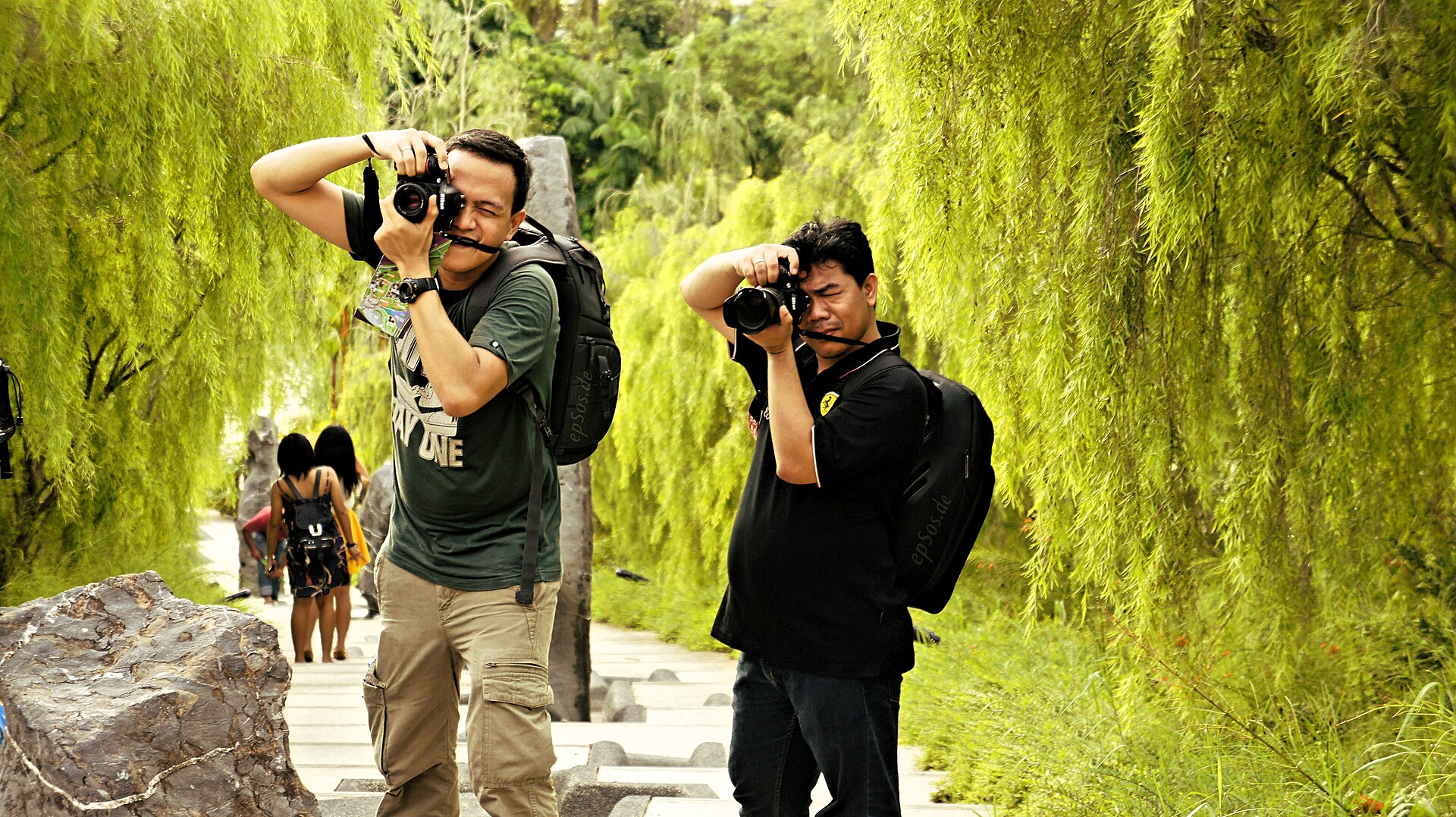
Photo: Best Wedding Photography Picture about Professional Photographers, by epSos.de, CC BY 2.0 (Wikimedia Commons)