
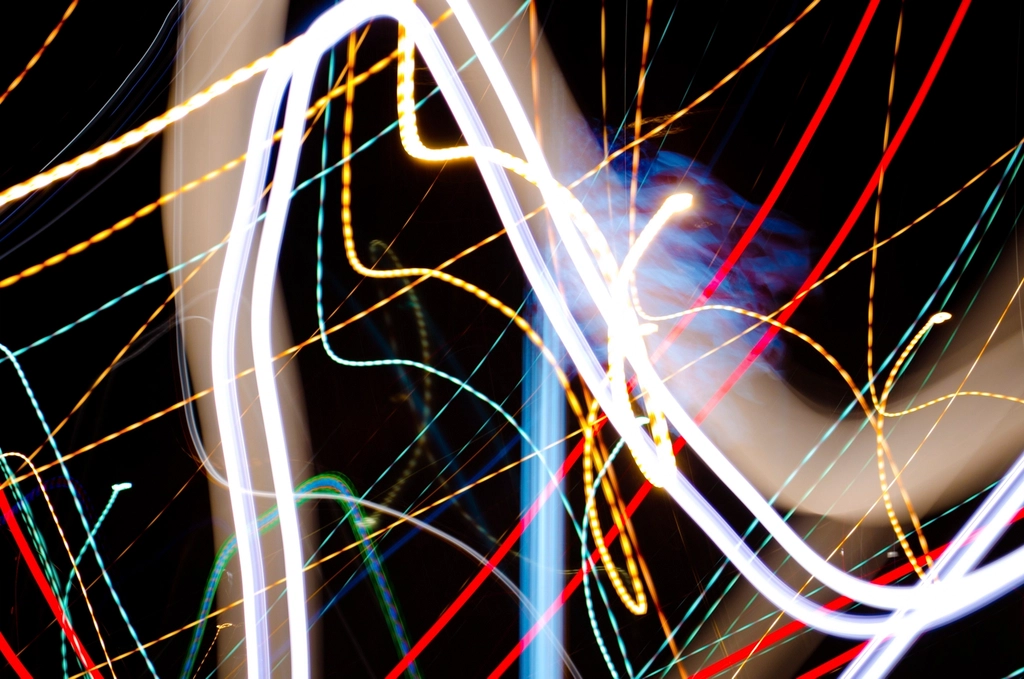
Before I started taking photos, I used to measure time by the usual things — clocks, calendars, deadlines. Days were boxes to be filled, hours sliced into tasks.
But photography changed that.
It made time feel slower, softer, and more alive.
The First Time I Waited for Light
I was standing in a field, somewhere I can’t even remember the name of. I had arrived too early. The light was harsh, the shadows wrong.
So I waited.
And something shifted in me.
Instead of scrolling, refreshing, or rushing, I watched. I noticed the wind in the grass. I counted the seconds between clouds. I learned that time isn’t something to kill — it’s something to notice.
Photography Slowed Me Down (In a Good Way)
Now, when I go out with my camera, I don’t think in minutes.
I think in:
- Shadows getting longer
- Birdsong fading into dusk
- The golden light that hits for 4 minutes, then is gone
It’s not about capturing a hundred things. It’s about being present for one.
The Paradox of the Shutter
Funny thing: we call it a “snapshot,” like it’s fast.
But to get a meaningful image, you have to slow down. You have to wait, frame, feel.
I’ve stood in alleys for half an hour waiting for a single silhouette to walk through a shaft of light. Sometimes it comes. Sometimes it doesn’t.
But the waiting is part of the image, even if no photo is taken.
Time in Frames, Not Hours
Looking through my archives, I don’t remember dates.
I remember:
- The smell of rain just before a street portrait
- The nervous silence before someone said yes
- The exact second a bird crossed a reflection in still water
Photography made time feel less like a race and more like a rhythm.
Conclusion
I still live in a world of clocks and calendars. But when I carry my camera, I get to slip out of that world for a while.
I get to feel time, not just manage it.
And maybe that’s the real gift photography gave me — a slower, deeper way to move through the day.